- All
- Product Name
- Product Keyword
- Product Model
- Product Summary
- Product Description
- Multi Field Search
Views: 0 Author: Site Editor Publish Time: 2025-08-11 Origin: Site


Why are most lathes horizontal, not vertical? Is it just tradition—or smart engineering? While vertical lathes offer support for large parts, they’re rarely the default choice.
In this post, you'll learn why horizontal lathes dominate, when vertical lathes shine, and how each design fits real-world needs.
A lathe is a machine tool that rotates a workpiece while a cutting tool shapes it. It's used to make parts round, smooth, or threaded. People rely on lathes in industries like automotive, aerospace, and heavy equipment. These machines help create everything from tiny fasteners to giant turbine housings.
There are two main lathe types: horizontal and vertical. In horizontal lathes, the spindle runs parallel to the ground, and the workpiece is held horizontally. In vertical lathes, the spindle points down, and the workpiece stands upright. That shift in orientation changes how the part is supported, how gravity affects it, and even how much floor space is used.
Historically, horizontal lathes came first and became the standard. They’re easier to build and fit a wider range of parts. Over time, workshops adapted to them. So now, most lathes are horizontal—not because vertical ones don’t work, but because horizontals were easier to adopt and fit more common jobs. Still, vertical lathes have their own strengths, especially for big, heavy parts. And that’s where things start to get interesting.
Horizontal lathes make full use of gravity. The bed lies flat, so weight stays evenly supported during turning. That makes a huge difference when you're dealing with heavier workpieces. They rest naturally on the bed without stressing the machine. For long, skinny parts like shafts or rods, this setup avoids sagging. Vertical lathes might let those parts bend slightly under their own weight, but horizontals hold them straight and stable throughout the process.
When the spindle is horizontal, the workpiece sits right in front of you. It's easier to check progress, adjust settings, or swap tools without reaching awkwardly. Most controls are positioned nearby, so the operator doesn't have to move around much. This setup also improves visibility, which matters a lot for fine machining tasks where precision is everything. In a vertical lathe, you're often working over or around the setup, which can be less comfortable over long shifts.
Horizontal lathes are the go-to machines for a reason. They can handle everything from small fittings to long metal rods. That kind of flexibility helps shops run a variety of jobs without switching machines. Because the layout is familiar, even new machinists get comfortable quickly. Setup tends to be faster, and it's easier to adjust tooling on the fly. That’s why horizontal designs are found in schools, small shops, and high-volume plants alike.
Horizontal lathes are generally simpler in structure, so they cost less to build and buy. Fewer moving parts means fewer things to maintain or replace. And because they’re so common, it’s easier to find parts, support, or upgrades. That lower cost of ownership is one big reason why most shops pick them over vertical models unless they absolutely need the extra support that verticals provide.
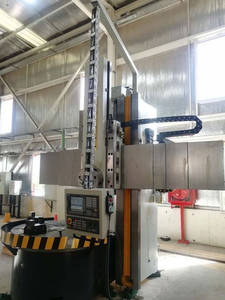
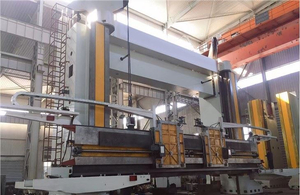
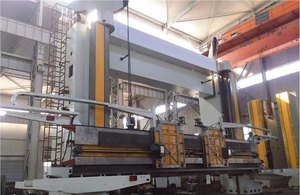
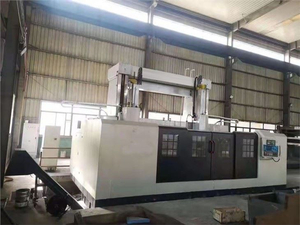
A vertical lathe, often called a vertical turning lathe or VTL, is designed to handle large, heavy parts. Unlike horizontal lathes, it rotates the workpiece in a vertical position. That means the spindle points down, and the part sits flat on a rotating table. The cutting tools then move along vertical and horizontal axes. It’s a setup built for strength. You’ll find vertical lathes in industries like aerospace, automotive, energy, and heavy machinery. They’re especially useful when the workpiece is too wide, too heavy, or just too awkward for a horizontal layout.
Every VTL is made up of a few key parts. The chuck or rotary table is what holds the workpiece and spins it. It has to be strong and balanced, especially when handling parts that weigh tons. The machine bed and vertical column give the whole structure stability. These help cut down vibration and improve precision. The tool turret is what switches cutting tools during the job. It works automatically, letting the machine change tools without stopping. The coolant system keeps things cool during cutting. It prevents overheating and helps your tools last longer. Then there’s the main spindle, which delivers the power to spin the workpiece. Finally, the CNC control system takes care of automation, programming, and repeatable accuracy.
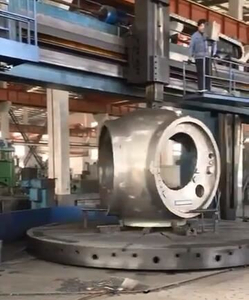
To start, the operator clamps the part onto the rotary table. Gravity helps keep it in place. Once secured, the chuck spins the part while the cutting tool moves into position. The tool follows precise paths, guided by the CNC program, to shape, drill, or finish the surface. Because the workpiece lies flat, there’s less stress on the spindle. And when the part is big and bulky, it’s often easier to load and unload from above. That vertical orientation makes the whole process more stable, especially when dealing with large diameters or heavy components.
Vertical lathes are built for size and strength. They’re often the first choice for machining big components like flywheels, turbine casings, and brake discs. When a part is wide or heavy, it’s easier to lay it flat on a rotating table than suspend it sideways. This design reduces the load placed on the spindle, which helps maintain accuracy even during tough cuts. By using gravity to hold the part down, the machine stays stable and balanced throughout the job.
Some parts just don’t sit well in a horizontal position. Long, flat, or flexible workpieces can start to sag in the middle if they're held horizontally. That sagging throws off precision and risks damage. But with a vertical lathe, gravity actually works in your favor. The workpiece rests flat against the rotary table, which supports it evenly. That setup gives better results when machining large diameters or parts that are otherwise tricky to clamp.
Not every shop has room for a huge horizontal machine. In some cases, a vertical lathe fits better. Because the workpiece stands upright, the footprint of the machine can be smaller. That makes vertical lathes easier to fit into compact workspaces, especially when you're only running a few large parts at a time. For manufacturers where every square foot counts, this design can be a smart solution.
During cutting, tools can bend or vibrate slightly. That’s called deflection, and it affects surface finish and precision. Vertical lathes help fight this problem in two ways. First, the rigid structure holds everything tightly. Second, the workpiece stays more balanced thanks to the vertical layout. With less vibration, the cutting tool stays on track and leaves a smoother finish. It also lasts longer since it’s not absorbing as much movement or shock.
Vertical lathes may look impressive, but they’re not always the right tool for every job. One major issue is handling long, thin parts. Because the workpiece sits upright, tall or slender pieces become unstable and harder to support. Gravity, which helps with large flat parts, actually works against you when the part gets too tall or flexible. It’s tough to keep everything straight, and that can affect both safety and accuracy.
Cost is another concern. Vertical lathes tend to be more expensive than horizontal ones. The structure has to support heavier loads in a more complex orientation. That drives up the price, not just for the machine itself but also for tooling and installation. It’s a bigger investment, so unless you’re working with large parts regularly, it may not be worth it.
For smaller components, setup takes more time. Aligning a small part vertically often means using extra clamps, jigs, or adjustments. That slows down the process and makes it less efficient for high-mix, low-volume tasks. Horizontal lathes handle those jobs faster and with less hassle.
Flexibility can also be limited. Many vertical lathes are built for specific tasks or sizes. If you switch part types often, you might find yourself running into machine limits. Horizontal machines tend to offer more ways to mount, hold, or cut different kinds of parts—making them better suited for shops that need to stay flexible.
When choosing between horizontal and vertical lathes, it helps to see how they match up side by side. Each has clear strengths and trade-offs, depending on the job, part size, and workshop layout. Below is a quick comparison to help make sense of where each design fits best.
| Feature | Horizontal Lathe | Vertical Lathe |
|---|---|---|
| Stability | Excellent for most parts | Excellent for large or heavy parts |
| Best For | Long, slender parts like shafts | Large diameter parts like casings |
| Setup Ease | Easier to align and operate | More complex, especially for small parts |
| Cost | Lower initial and maintenance cost | Higher due to build and structure |
| Floor Space | Takes up more floor area | Can fit better in tight spaces |
Horizontal lathes make life easier when you're dealing with parts that stretch out in length. They're simple to load, easy to align, and offer great general-purpose flexibility. But when size and weight become an issue—think turbine housings or engine covers—a vertical lathe brings the right support and orientation to handle the load. They shine in environments where part geometry or gravity would make horizontal mounting tough to manage.
Vertical lathes aren’t the everyday choice, but when the job calls for size, weight, or serious precision, they step up. These machines really show their value in industries that deal with big, bulky, or high-performance parts.
In the automotive world, vertical lathes are used to machine parts like brake discs and gear shafts. These components often have a wide diameter and require balanced cutting from multiple angles. A vertical lathe makes it easier to maintain alignment and stability during fast production runs. It’s also helpful when switching between different tools quickly to finish multiple features on the same part.
Aerospace parts need to be strong, lightweight, and perfectly shaped. Vertical lathes handle this pressure well. They’re often used for landing gear, jet engine housings, and turbine casings. These parts are large and complex, but the vertical setup allows steady rotation and consistent tool engagement. That leads to better finishes and tighter tolerances, even when working with hard materials like titanium.
The energy industry relies on durable parts that must hold up under extreme conditions. Think pressure valves for oil rigs or rotors for turbines. These components aren’t just large—they're also sensitive to stress and heat. A vertical lathe helps by supporting the part evenly during machining. The rigid structure and vertical loading reduce warping and improve precision where it counts.
When it comes to building industrial equipment, vertical lathes play a big role. They’re used to produce cylinders, bearings, and massive housings for construction and mining machines. These parts often weigh hundreds or even thousands of pounds. A vertical lathe lets manufacturers load them directly onto the chuck, machine all sides with minimal repositioning, and avoid deflection that could ruin a critical fit.
CNC vertical lathes take traditional machining to the next level. These machines don’t just turn metal—they think while they work. With automated tool changers, they can switch between cutting, drilling, or finishing tools without stopping the process. That saves time and improves repeatability. They also handle high-volume jobs with ease. Once programmed, the machine repeats the same operation with high accuracy. Real-time CNC control lets operators tweak parameters while the part runs. That level of control is ideal for complex cuts or materials that require careful handling.
The first step is securing the workpiece on the rotary table. Operators clamp it down tight so it won’t shift during rotation. Then the CNC program takes over. The machine selects tools automatically and moves through pre-programmed cutting paths. As it works, the coolant system keeps everything cool and flushes away chips. The tool turret rotates into position whenever a tool change is needed. After cutting, the part is inspected to make sure it meets all specs. If everything checks out, the part is removed, and the next one loads up. The process is fast, consistent, and ideal for high-precision industries.
Vertical lathes continue to evolve. In many shops, robots now handle loading, unloading, or tool changes. This cuts down manual labor and boosts uptime. Predictive maintenance is also becoming more common. Machines are equipped with sensors that collect data as they run. AI systems then use that data to predict when a part might fail or need cleaning. That reduces downtime and cuts repair costs. Tooling is improving too. New coatings like ceramic or diamond extend tool life, especially when working with tough metals. These changes help CNC vertical lathes stay competitive in a fast-changing manufacturing world.
Most lathes are built horizontal for good reasons. They’re cost-effective, versatile, and easier to operate.
But vertical lathes still matter. They shine when parts get large, heavy, or awkward in shape.
Choosing the right type depends on space, accuracy needs, and the part you’re making.
A: Horizontal lathes offer better flexibility, easier setup, and lower costs, making them the go-to choice for general machining tasks.
A: Use a vertical lathe when working on large, heavy, or wide-diameter parts that require extra stability during machining.
A: Yes, vertical lathes often have a higher purchase cost due to their structural complexity and heavy-duty components.
A: Sometimes. Vertical lathes can have a smaller footprint, which helps in tight production areas.
A: Industries like aerospace, automotive, energy, and heavy machinery manufacturing often rely on vertical lathes for large part production.