- All
- Product Name
- Product Keyword
- Product Model
- Product Summary
- Product Description
- Multi Field Search
Views: 0 Author: Site Editor Publish Time: 2026-07-06 Origin: Site


When industrial buyers evaluate a CNC vertical lathe purchase, the conversation rarely starts with maintenance. Price, specifications, and delivery timelines dominate the procurement stage. But experienced manufacturing managers know a critical truth: the total cost of ownership for a CNC vertical lathe is largely determined by how well you maintain it.
A single unplanned downtime event on a CK5 series vertical lathe can cost $5,000–$50,000 in lost production, depending on the operation. Meanwhile, a structured preventive maintenance program typically costs less than 3% of the machine's annual revenue output. The math is straightforward — preventive maintenance isn't an expense, it's an insurance policy with measurable ROI.
This guide provides a complete, actionable preventive maintenance checklist for CNC vertical lathes (CK5 series). Whether you're a procurement manager sourcing from a China vertical lathe manufacturer or a production supervisor maintaining an existing fleet, this resource will help you maximize machine lifespan, reduce unexpected breakdowns, and protect your capital investment.
Before diving into the checklist, it's essential to understand why preventive maintenance (PM) outperforms reactive approaches in every measurable category.
Metric | Preventive Maintenance | Reactive (Breakdown) Maintenance |
|---|---|---|
Annual maintenance cost | $3,000–$8,000 | $15,000–$80,000+ |
Unplanned downtime hours | 10–30 per year | 100–500+ per year |
Machine lifespan | 15–25 years | 8–12 years |
Spare parts cost | Predictable, planned | Emergency premium (30–50% markup) |
Product quality impact | Minimal, consistent drift | Significant, requires re-qualification |
Safety incidents | Low risk | High risk (catastrophic failures) |
Key takeaway: Manufacturers who switch from reactive to preventive maintenance typically see a 40–60% reduction in total maintenance costs within the first year. For shops operating multiple CNC vertical lathes sourced from a reliable China supplier, this translates to tens of thousands of dollars in annual savings.
Every shift should begin and end with a standardized daily maintenance routine. This is the single most impactful practice for extending your vertical lathe's service life.
Visual inspection: Walk around the machine. Look for oil leaks, loose chips, unusual wear patterns on the ways, and any debris accumulation near the spindle area
Lubrication level check: Verify that the automatic lubrication system reservoir is at the proper level. Low oil is the #1 cause of accelerated way and ballscrew wear
Hydraulic system pressure: Confirm the hydraulic unit reads within the manufacturer's specified range (typically 4–7 MPa for CK5 series machines)
Coolant concentration: Check coolant level and concentration (refractometer reading should be 6–10%). Affects both tool life and workpiece surface finish
Chip conveyor operation: Run the chip conveyor for 30 seconds to ensure proper function. Chip buildup is a leading cause of way damage on CNC vertical lathes
Complete machine cleanup: Remove all chips from the worktable, tool turret, column, and cross-rail area. Chips left overnight cause corrosion and can interfere with next-day accuracy
Wipe down exposed surfaces: Apply a light coat of way oil to any exposed machined surfaces that aren't automatically lubricated
Log any anomalies: Document unusual sounds, vibrations, or performance deviations. Even minor observations can predict major failures weeks in advance
Weekly maintenance focuses on components that degrade gradually and won't show symptoms in daily checks.
Way and ballscrew inspection: Examine all linear guideways and ballscrews for scoring, pitting, or discoloration. Early detection of way damage can save $5,000–$20,000 in repair costs
Tool turret indexing accuracy test: Run a simple indexing repeatability test. Position the turret to reference position 10 times and measure deviation. If deviation exceeds 0.01mm, schedule turret servicing
Spindle runout measurement: Use a dial indicator to check spindle runout. Values above 0.005mm indicate bearing wear that needs attention
Filter inspection: Check hydraulic, coolant, and lubrication system filters. Replace any filters showing more than 50% blockage
Belt tension verification: Inspect all drive belts for proper tension and signs of cracking or glazing
Monthly tasks require slightly more technical knowledge but are essential for maintaining the CNC vertical lathe's factory-level precision.
Geometric accuracy verification: Check the machine's key geometric parameters — table flatness, column squareness to the table, and cross-rail parallelism. Use precision levels and granite squares for measurement
Spindle bearing temperature monitoring: Run the spindle at rated speed for 30 minutes and monitor bearing housing temperature. Acceptable range: ambient +15°C to +25°C. Anything above +35°C requires immediate investigation
Electrical cabinet inspection: Open the electrical cabinet and check for loose connections, discoloration on contactors, and proper fan operation. Electrical failures account for 25% of all CNC vertical lathe downtime
Lubrication system flow verification: Measure the actual flow rate from each lubrication point. Compare against the manufacturer's specification. Blocked lubrication lines cause silent damage to ways and bearings
CNC controller backup: Perform a full backup of all CNC parameters, PLC programs, and macro variables. Store backups both locally and in the cloud. A controller failure without backups can result in weeks of downtime
Hydraulic oil analysis: Take a hydraulic oil sample and send it for laboratory analysis. Particle count, water content, and viscosity data reveal internal component wear before failure occurs
Coolant system flush: Completely drain, clean, and refill the coolant system. Use a refractometer to verify proper concentration
Thermal displacement check: Run the machine through a standard warm-up cycle and measure thermal growth at the spindle nose and table. Compare against baseline measurements taken during installation
Full machine calibration: Perform a comprehensive laser calibration of all axes. Compensate for any geometric errors through the CNC controller
Ballscrew backlash measurement and compensation: Measure backlash on all ballscrews and update compensation parameters. Backlash exceeding 0.02mm indicates ballscrew replacement may be needed within 12 months
Spindle vibration analysis: Conduct a professional vibration analysis of the spindle bearings. Frequency analysis can detect early-stage bearing defects, imbalance, or misalignment
Electrical insulation testing: Perform megger testing on all spindle and axis motors. Declining insulation resistance predicts motor failure 6–12 months in advance
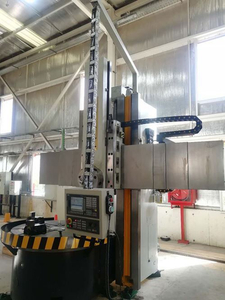
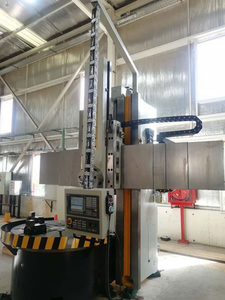
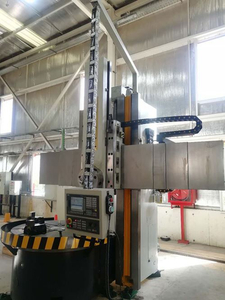
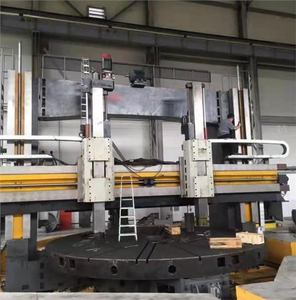
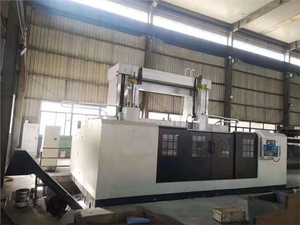
The CK5 series CNC vertical lathes (including CK5112, CK5116, CK5123, CK5125, CK5131, CK5140, and CK52 series) share common components that deserve focused maintenance attention.
The spindle is the heart of your CNC vertical lathe. For machines sourced from a China vertical lathe manufacturer, ensure you're using the correct spindle bearing grease specification — this varies between manufacturers and using the wrong grease can void warranty coverage.
Monitor spindle vibration weekly (acceptable: <2.5 mm/s RMS)
Check spindle taper for damage monthly
Verify spindle cooling system function daily
Schedule bearing replacement at 15,000–20,000 operating hours (or as indicated by vibration analysis)
Whether your CK5 series machine uses a vertical turret lathe (VTL) configuration or a milling-type ram head, the tool holding system requires consistent attention.
Clean and inspect all tool holders before each use
Check turret indexing repeatability weekly
Lubricate turret bearing races monthly per manufacturer specification
Replace turret positioning sensors at the first sign of intermittent errors
Hydraulic system failures cause some of the most expensive damage on CNC vertical lathes. Contaminated hydraulic fluid accelerates wear on pumps, valves, and cylinders.
Monitor hydraulic fluid cleanliness (target: ISO 18/16/13 or better)
Replace hydraulic filters every 2,000 hours or quarterly (whichever comes first)
Check all hydraulic hoses for swelling, cracking, or leakage monthly
Maintain coolant pH between 8.5–9.5 to prevent bacterial growth and corrosion
Implementing a preventive maintenance program doesn't require expensive CMMS software. Start with a structured schedule that your team will actually follow.
Frequency | Task Category | Time Required | Responsibility |
|---|---|---|---|
Daily | Cleaning, fluid checks, visual inspection | 15 min | Machine operator |
Weekly | Precision checks, filter inspection | 30 min | Senior operator / technician |
Monthly | Geometric verification, system tests | 2–3 hours | Maintenance technician |
Quarterly | Oil analysis, system flush | 4–6 hours | Maintenance team |
Annual | Full calibration, vibration analysis | 1–2 days | External service provider |
Pro tip: When purchasing a CNC vertical lathe from a China vertical lathe supplier, negotiate a preventive maintenance schedule and spare parts list as part of your purchase agreement. Most reputable manufacturers will provide this support at no additional cost, and it ensures your maintenance team follows the correct procedures for your specific machine configuration.
For international buyers who purchased their CNC vertical lathes from China manufacturers, maintaining access to spare parts and technical support is a critical concern.
Critical spares to keep in stock: Spindle bearings, hydraulic seals, way wipers, lubrication pumps, and coolant nozzles. These items have long lead times for international shipping and can halt production if unavailable
OEM vs. aftermarket: For precision components like spindle bearings and ballscrews, always use OEM-specified parts. For consumables like filters, seals, and wipers, quality aftermarket alternatives from your China lathe supplier can reduce costs by 40–60% without compromising reliability
Recommended inventory value: Maintain spare parts inventory equal to 5–8% of the machine's purchase price
Establish a direct communication channel with your CNC vertical lathe manufacturer's service department before you need them
Request remote diagnostic capability — many Chinese manufacturers now offer IoT-enabled remote monitoring that can predict failures before they occur
Document your machine's configuration details (CNC model, drive specifications, ballscrew lead, way type) in a central location accessible to both your local team and the manufacturer
Even well-intentioned maintenance programs can go wrong. Avoid these common errors:
Over-lubrication: More grease is not better. Excess grease causes bearing overheating and seal failure. Follow the manufacturer's exact quantity specification
Ignoring small anomalies: A slight increase in spindle noise or a 0.5°C temperature rise might seem insignificant. These are often the earliest indicators of developing failures. Document and investigate every anomaly
Skipping the warm-up cycle: Cold-starting a CNC vertical lathe and running it at full speed causes thermal shock to spindle bearings and accelerated way wear. Always execute the manufacturer's warm-up routine
Using incorrect lubricants: Mixing lubricant types or using substitutes without manufacturer approval can cause chemical reactions that destroy bearing surfaces and way coatings
Neglecting the CNC controller: The controller's cooling fans, battery backup, and hard drive are all subject to wear. Controller maintenance is often overlooked but essential for preventing data loss and system crashes
To justify preventive maintenance investment to management, quantify the return using this framework:
Annual PM Cost Calculation:
Labor: Technician hours × hourly rate (typically 100–200 hours/year for a single CNC vertical lathe)
Parts: Filters, lubricants, consumables ($1,500–$4,000/year)
External services: Calibration, vibration analysis ($2,000–$5,000/year)
Total annual PM cost: $5,000–$12,000 per machine
Avoided Cost Calculation:
Prevented breakdowns × average repair cost ($5,000–$30,000 per event)
Reduced downtime × hourly production value ($500–$5,000/hour)
Extended machine life × annual depreciation savings
Typical avoided cost: $25,000–$100,000+ per year
Net ROI: Most manufacturers see a 3:1 to 10:1 return on preventive maintenance investment within the first 12 months.
Environmental conditions significantly impact your maintenance schedule and component wear rates. Shops in different climates should adjust their preventive maintenance accordingly.
Increase coolant monitoring frequency: High humidity accelerates bacterial growth in coolant systems. Check concentration and pH twice weekly instead of weekly
Corrosion prevention: Apply additional rust-preventive coatings to exposed machined surfaces. Consider desiccant dehumidifiers for the electrical cabinet
Hydraulic fluid management: Higher ambient temperatures reduce hydraulic fluid viscosity. Verify the oil grade is suitable for your operating temperature range
Extended warm-up cycles: Increase spindle warm-up duration from the standard 10–15 minutes to 20–30 minutes during cold months. Thermal expansion differences between cold starts and operating temperature cause the most bearing stress
Lubricant viscosity: Some lubricants become too viscous in cold conditions, reducing flow to critical points. Consult your China vertical lathe manufacturer for cold-weather lubricant recommendations
Condensation prevention: Temperature fluctuations cause condensation inside electrical cabinets. Ensure cabinet heaters are functioning properly
Double the filter replacement frequency: Shops generating excessive fine dust or metallic particles should change hydraulic and lubrication filters at half the standard interval
Enhanced way protection: Upgrade way cover seals and inspect wipers weekly instead of monthly. Way damage from abrasive particles is the most common cause of precision loss in harsh environments
If your shop doesn't currently have a preventive maintenance program for your CNC vertical lathes, here's how to launch one quickly:
Week 1: Document your current machine fleet — model numbers, age, operating hours, and maintenance history. Contact your CNC vertical lathe supplier to request the manufacturer's recommended maintenance schedule for each machine.
Week 2: Create standardized checklists for daily, weekly, and monthly tasks. Train operators on daily routines. Assign weekly tasks to your most experienced technicians.
Week 3: Order critical spare parts. Set up a maintenance log system (a spreadsheet is fine to start — upgrade to CMMS later if volume justifies it).
Week 4: Execute the first complete monthly maintenance cycle. Record baseline measurements for geometric accuracy, spindle vibration, and thermal displacement. These baselines are your reference points for detecting future degradation.
Whether you're evaluating a new CNC vertical lathe purchase or optimizing the maintenance program for your existing CK5 series fleet, the right China vertical lathe manufacturer partnership makes all the difference. A quality manufacturer provides not just reliable machinery, but comprehensive maintenance documentation, readily available spare parts, and responsive technical support.
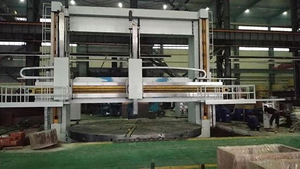
At Starfish Machine, we supply CK5 series CNC vertical lathes (CK5112 through CK5140, plus CK52 double-column models) with full maintenance support packages included. Our engineering team provides preventive maintenance schedules, remote diagnostic support, and guaranteed spare parts availability for 10+ years after purchase.
Request a quotation for your next CNC vertical lathe →
Contact us today to discuss your machining requirements, compare specifications across the CK5 series, or request a customized preventive maintenance plan for your existing equipment.