- All
- Product Name
- Product Keyword
- Product Model
- Product Summary
- Product Description
- Multi Field Search
Views: 0 Author: Site Editor Publish Time: 2025-09-05 Origin: Site


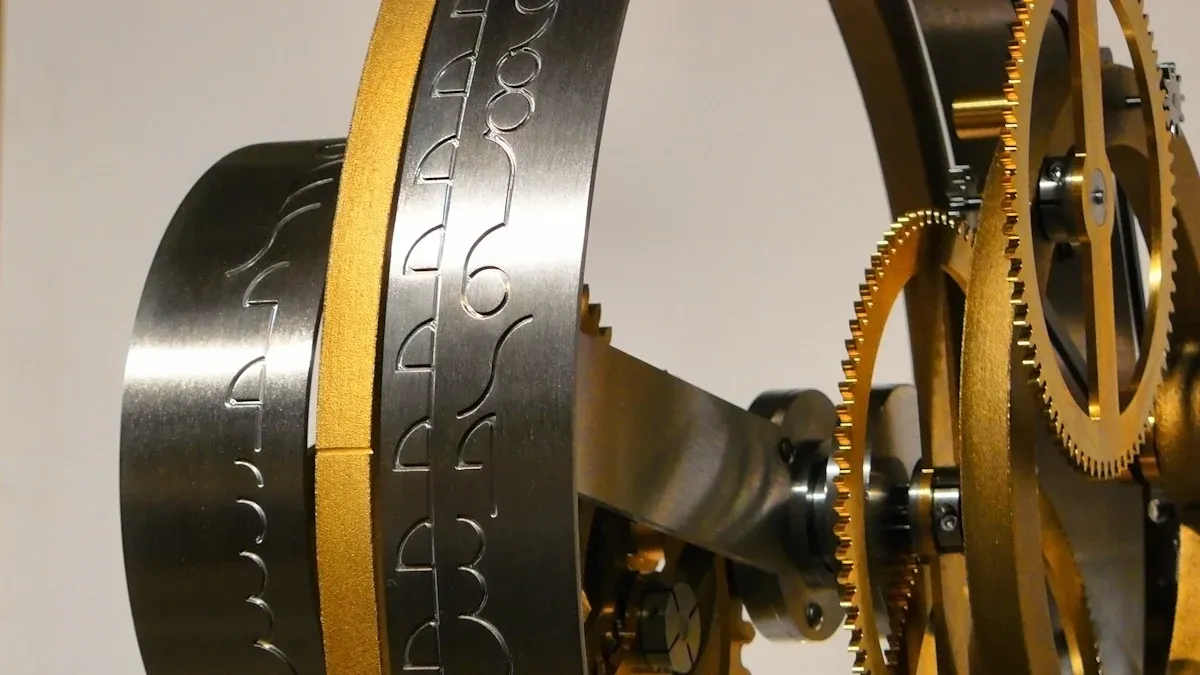
You can make gear hobbing work better by looking at each step. If you make gear hobbing better, your production line works faster. You also get more gears and better quality. Many studies show that making gear hobbing more efficient lowers costs. It also helps gears become more precise. Gear machining is important for top equipment. Any improvement in your production helps every gear you make turn out better.
Change cutting speed and feed rates to make gear hobbing better. Watch these settings often to get the best results.
Pick the right hob for your gear material. A good hob helps you work faster and more accurately. This makes your gears better.
Take care of your tools often to stop them from wearing out. Check tools a lot to keep making gears without stopping.
Use automation and smart technology to make work easier. This helps you make fewer mistakes and work faster.
Do preventive maintenance to find problems early. Regular checks help machines work well and make more gears.
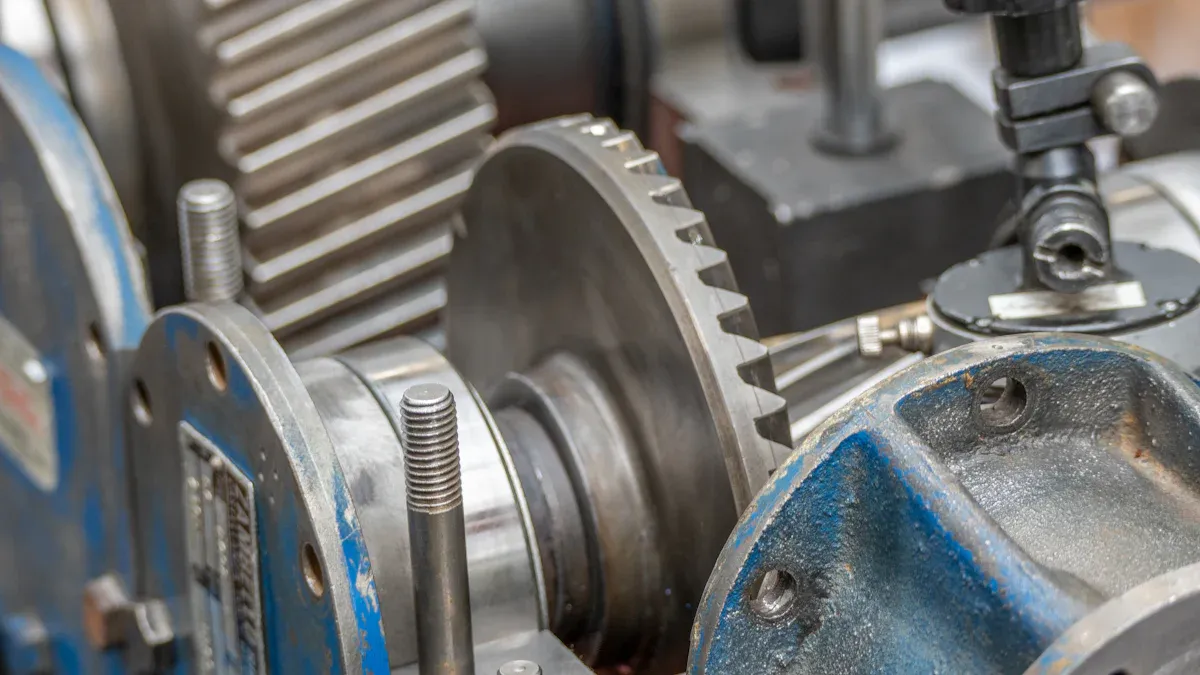
You can boost gear hobbing efficiency by adjusting cutting speed and feed rates. When you set the right speed, you reduce cutting forces and keep the process stable. If you go too fast, you risk overheating and poor gear quality. If you go too slow, you waste time and energy. You should monitor the machine closely and make small changes to find the best settings for your gear production.
Tip: Use digital controls to track speed and feed in real time. This helps you react quickly to any changes in the process.
Radial depth affects how much material you remove in each pass. If you set the depth too high, you increase cutting forces and tool wear. If you set it too low, you slow down production. You need to balance depth with speed and feed to get the best results. Always check the surface quality of your gears after each adjustment.
Cutting forces, temperature management, and the use of lubricants all play a role in setting the right radial depth.
Good control of these factors leads to better gear quality and longer tool life.
Tool wear can lower gear quality and slow down your production line. You should watch for signs like changes in cutting force, torque signals, vibration, and acoustic emission. These signs show when your tooling needs attention.
Tool wear affects the surface quality of each gear and the performance of your hobbing machine.
Regular checks and quick replacement of worn tools keep your gear hobbing process running smoothly.
You can achieve real improvement in production line efficiency by monitoring these parameters. Better control means higher gear quality, less downtime, and more consistent gear production.
Picking the right hob helps gear hobbing work better. The quality of your hob changes how fast and accurate you make gears. Strong hobs with sharp edges make gears with good tooth shapes. Using precise hobs stops noise and vibration problems. Your machine’s build and strength also help keep gear quality high.
When you pick a hob, match it to your gear’s material and what you need for production. Use the table below to help you choose:
Criteria | Description |
|---|---|
Pressure Angle | This angle changes how well the hob cuts and fits your gear. |
Geometry of the Hob | The hob’s shape and design must fit your gear’s needs for best results. |
Number of Teeth | The hob should have the same number of teeth as your gear to stop cutting problems. |
Modified Rolling | Pick a hob with a smaller pressure angle for special gear changes. |
You keep your tools working well by following a set maintenance plan. If you make lots of gears, check your hobbing tools every day or week. If you make fewer gears, check them each month. Oil moving parts and clean the machine to get rid of chips and dirt. This helps keep gear quality good. Look for worn or broken cutting tools and change them fast. Make sure your machine is lined up right to stop mistakes.
Tip: Keeping up with maintenance means fewer breakdowns and more accurate gears.
Using special coatings on your hobbing tools makes them last longer and helps gear quality. Tools with TiAlN coatings last over 60% longer than TiN coatings. Making the cutting edge just right also helps tools last longer. These coatings let you make more gears before you need new tools. This makes your production line work better.
You can make gear hobbing work better by setting up the machine right. Alignment is very important for making good gears. When the hob and workpiece line up well, you get gears with the right shape. If you do not align them, you can get bad gears and your tools wear out faster.
Good alignment helps you make high-quality gears.
Bad alignment causes more mistakes and makes tools wear out sooner.
Tip: Always check if things are lined up before you start making gears. This step saves money and keeps your work steady.
Calibration helps you make gears that are always good. You need to use different ways to keep your gear hobbing steady.
Check the workpiece material before you start making gears.
Keep the machine steady so it does not shake or make noise.
Check the size and shape of gears to meet tight rules.
Use special tools to measure gears very carefully.
Watch your process with data to find problems early.
These steps help you make gears that pass tests and keep your work going well.
You can keep your machine working longer and make better gears by doing regular checks. This way, you find problems before they stop your work.
Finding problems early means fewer surprises.
Regular checks make your machine work better and faster.
Smooth work means you make more gears and spend less money.
Benefit | Description |
|---|---|
Reduced Unplanned Stops | Checking machines early finds problems before they get big, so you stop less often. |
Improved Reliability | Finding problems early helps your machine work the same way every time. |
Increased Throughput | Smooth work lets you make more gears and spend less money. |
You can also use smart ways to set up faster and make gears more accurately:
Best Practice | Description |
|---|---|
Quick-change tooling systems | These let you change tools fast, so you do not waste time. |
Offline tool presetting | You can set up tools away from the machine, so the machine does not have to wait. |
Zero-point workholding systems | These let you change fixtures quickly and correctly, so setup is faster. |
Team collaboration | Working together helps you find ways to fix slow steps and save time. |
If you follow these steps, your gear hobbing will be fast and your gears will be good.
You must keep the temperature steady during gear hobbing. This helps protect your tools and keeps gear quality high. If coolant gets too hot, heat builds up in the cutting area. Too much heat can change the size and shape of gears. This causes mistakes and lowers gear quality. High heat also makes your tools wear out faster. Keeping coolant at the right temperature helps everything run smoothly. It also makes tools last longer. Every gear will meet your production standards if you control the temperature well.
Tip: Use sensors to check coolant temperature often. Quick changes help stop problems before gear quality drops.
Picking the right lubricant is very important for gear hobbing. Lubrication lowers friction between the hob and the gear. This stops tools from wearing out too fast. It also helps gears have a smooth surface. Good lubricants protect machines and gears from rust. You should choose a lubricant that fits your gear material and what you need for production.
Benefit | Description |
|---|---|
Lubrication | Lowers friction between the tool and workpiece. This helps the tool last longer. |
Cooling | Moves heat away during machining. This stops tools from overheating and getting damaged. |
Chip Removal | Washes away chips and dirt from the cutting area. This stops damage and keeps gears smooth. |
Surface Finish Improvement | Makes machined parts smoother and more exact by lowering friction and clearing chips. |
Corrosion Prevention | Stops rust and corrosion on workpieces and machines. This helps them last longer and stay good. |
Effective Lubrication | Adds a layer that lowers heat and tool stress. This helps tools last longer. |
Superior Cooling Capabilities | Stops tools from getting too hot. This lowers heat problems in workpieces. |
Reduces Tool Wear | Cuts down on wear by using good lubrication and cooling. |
Improved Surface Finish | Makes surfaces smoother, which is important for industries that need nice-looking parts. |
Good chip removal keeps gear hobbing working without stops. Chips can block the cutting area and hurt your gears. You need to clear chips fast to keep gear quality high and avoid machine stops. Modern production lines use many ways to remove chips:
Automated swarf removal systems make work faster and easier.
IoT monitoring watches chip buildup and helps plan fixes.
Conveyor or auger systems move chips away while working.
Vacuum systems clean chips without stopping the machine.
Chip crushers and compactors make chips smaller and easier to handle.
Chip breakers and good cutting tools make small chips.
Smart machining stops long chips that block the machine.
Note: Clearing chips often keeps your machine safe and your gears working well.
Picking the right material is important for gear hobbing. The material you choose affects how well your gears turn out. Hardness and machinability change how fast you can work. Harder materials make tools wear out faster. You may need to change hobs more often with hard materials. Special coatings can help tools last longer and keep things running.
Heat treatment makes gears stronger after hobbing. There are different ways to make gears better. Carburizing makes the outside of gears harder. This helps gears last longer and not wear out fast. Neutral hardening helps gears work longer without breaking. Cryogenic treatment cools gears a lot. This makes them stable and less likely to wear out. Shot peening puts stress on gears so they can handle heavy loads.
Heat Treatment Process | Benefits |
|---|---|
Carburizing | Makes the outside hard and stops wear |
Neutral Hardening | Helps gears last longer and work better |
Cryogenic Treatment | Makes gears stable and hard to wear out |
Shot Peening | Helps gears last longer under heavy use |
Cryogenic treatments use very cold temperatures to change gears. This makes gears harder and keeps them from bending or wearing out.
Tip: Heat treatment helps gears last longer and need less fixing.
Material properties matter a lot in gear hobbing. Machinability means how easy it is to cut the material. If a material is easy to cut, you can make gears faster. Tools also last longer with easy-to-cut materials. Softer metals like aluminum are easy to cut and look smooth. Harder metals like hardened steel or titanium are tough to cut. They need slower speeds and wear out tools quickly.
Material Type | Cutting Speed | Feed Rate |
|---|---|---|
Harder Alloys | Need slow speeds to stop tool wear | Fast feed wears tools out quicker |
Softer Materials | Can use faster speeds | Slow feed gives a smooth finish |
Machinability helps you make gears fast and keep tools good.
Low machinability means you need more force and may get rough gears.
Hardness makes cutting harder and slows down the process.
Pick a gear material that fits your needs. This helps you work fast, save tools, and make good gears every time.
Modern automation and smart technologies make gear hobbing easier. They help you work faster and make fewer mistakes. These tools let you control each step better. You save time and get better gear quality.
CNC integration changes how you do gear hobbing. CNC machines set tool paths and control settings. This gives you the same results every time. You make fewer mistakes. You can make complex gear shapes with high accuracy. New software lets you model tooth shapes and change settings fast. CNC integration keeps gear quality steady. It also makes your production line more flexible.
Tip: CNC systems let you change gear designs fast. You do not have to stop the machine. You can meet different customer needs with less downtime.
Process monitoring tools help you watch gear hobbing as it happens. These systems help you react quickly to changes. They keep your production running smoothly.
TMAC adaptive control changes feed rates while you work. You finish gears faster and cut cycle times by up to 60%.
TMAC checks tool wear and stops breakage. This helps you avoid costly stops.
dataPARC software sends alarms when something changes. You get updates and can fix problems before they grow.
You track quality and OEE with dataPARC. This makes sure every gear meets your standards.
Note: Real-time monitoring helps you catch mistakes early. It keeps your gear hobbing process efficient.
Workflow automation makes your gear hobbing line work better. Start by mapping your process and finding slow steps.
Look at your workflow and write down each step.
Work with teams to get ideas.
Use mapping tools to see your workflow.
Find manual tasks and errors that slow you down.
Collect data to pick which steps to automate first.
Automation lets you focus on making gears, not fixing problems. You boost productivity and keep your line moving.
You can save time by using quick-change tooling systems. These systems let you change tools fast. You do not have to wait long. If you keep spare parts nearby, you fix machines quickly. You do not wait for deliveries when something breaks. Quick-change tooling helps you make good gears and keep working.
Tip: Always keep extra hobs and important parts ready. This helps you fix tool problems fast and keep making gears.
Standardized procedures help you work faster and make fewer mistakes. If you write clear steps for setup and fixing problems, your team knows what to do. Training everyone in diagnostics means anyone can help. You do not need just one expert to fix things. Everyone can help get gear hobbing working again. Give your team guides and digital tools to fix problems quickly.
Procedure Type | Benefit |
|---|---|
Setup Instructions | Fast starts with fewer errors |
Maintenance Checklists | Find problems early |
Troubleshooting Guides | Fix issues faster |
Efficient scheduling keeps your gear hobbing line working well. You plan jobs in the right order and at the best time. This stops interruptions and lets you work longer. If you plan maintenance, you find problems before machines stop. You also make more gears in less time.
Note: Throughput means how many gears you make in a set time. For example, if you make 500 gears in 40 hours, you make 12.5 gears each hour. More throughput means your production is working well.
You can use digital tools to watch machine health and spot problems early. These tools help you plan repairs before machines break down. When you use quick-change tooling, clear procedures, and good scheduling, your gear hobbing stays reliable and productive.
You can make gear hobbing better by always improving. Start by using data to help you make choices. Watch your gear hobbing process with clear goals. If you find a problem, look for the main reason and fix it. Write down every change that works well. This helps you keep getting better and not repeat old mistakes. Make sure your team gives ideas and checks the process often. Use digital tools and machines to make gear production faster and more exact. Always look for new ways to make your hobbing process better.
Tip: Check your work often and listen to feedback. This helps you find small problems before they get big.
Use clear numbers to help you make changes.
Write down each good change so you remember it.
Ask your team for ideas and keep making things better.
Try new technology to help you work faster.
Operators who know what to do help your gear hobbing line run well. Teach your team how to set up machines and spot tool wear. Show them how to fix simple problems. Training helps everyone know how gear production works. When operators learn the right steps, you get fewer mistakes and better gears. Give them practice and easy-to-read guides. Update training when you get new machines or software. Skilled operators help your hobbing process work well and make more gears.
Training Focus | Benefit |
|---|---|
Machine Setup | Faster starts |
Tool Maintenance | Longer tool life |
Quality Checks | Better gear quality |
Safety Procedures | Fewer accidents |
You can make gear hobbing better by working with your suppliers. Good supplier teamwork helps you get better hobs and gear materials. Share your goals and ask for tips on new products. Suppliers can tell you about new technology and help fix problems. When you work together, you get parts faster and better help. Working with suppliers makes your production line stronger and your gears better.
Note: Good supplier teamwork helps you stay ahead in gear making.
You can improve gear hobbing efficiency by following clear steps.
Choose the right tools and keep them in good shape.
Train your team to spot problems early.
Use automation to make gear production faster and more accurate.
Check your process often and make changes when needed.
Start now to see better gear quality and higher output in your production line.
You need to set your cutting parameters just right. The speed, feed, and depth must fit your job. If you do this, you make more gears and your tools last longer. Check your settings often to keep gear quality high.
If you make lots of gears, check your hobbing tools every day. Change or sharpen them as soon as you see wear. This keeps your gears correct and your work steady.
Automation helps you make fewer mistakes. It keeps your work the same each time. CNC machines and monitoring systems help control every step. This gives you better gears and more finished parts.
Use a good water-soluble coolant for gear hobbing. It cools your tools and workpieces well. It also helps clear chips and stops rust. Always watch the coolant’s temperature and keep it clean for best results.