- All
- Product Name
- Product Keyword
- Product Model
- Product Summary
- Product Description
- Multi Field Search
Views: 0 Author: Site Editor Publish Time: 2026-05-19 Origin: Site


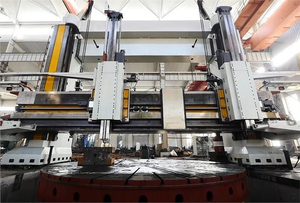
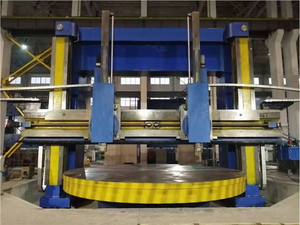
A vertical turning center (VTC), also known as a CNC vertical lathe or vertical boring mill, is a precision machining tool designed for the efficient production of large-diameter workpieces. Unlike conventional horizontal lathes where the spindle axis is horizontal, VTCs feature a vertical spindle configuration, offering distinct advantages in handling heavy, bulky components with improved chip evacuation and operator visibility.
For industrial buyers evaluating vertical turning center suppliers, understanding the fundamental differences between VTC types and their applications is essential. These machines excel in manufacturing sectors including automotive, aerospace, energy, and heavy equipment production, where components often exceed the capacity of standard horizontal turning centers.
Selecting the right vertical turning center supplier requires careful evaluation of multiple factors beyond just the machine price. Industrial buyers should consider the supplier's manufacturing capabilities, technical support infrastructure, spare parts availability, and track record in their specific industry sector.
The core specifications of a VTC directly impact its suitability for your manufacturing requirements. Critical parameters include:
Maximum Turning Diameter: Determines the largest workpiece the machine can accommodate. Industrial buyers should select machines with adequate margin above their typical production requirements.
Table Load Capacity: Critical for heavy industrial applications. Quality suppliers provide machines capable of handling substantial workpiece weights without compromising machining accuracy.
Spindle Power and Speed Range: Higher power enables efficient removal of difficult materials, while variable speed ranges provide flexibility across diverse machining operations.
Tool Travel and Number of Tool Stations: Affects the complexity of parts that can be machined in a single setup. More stations allow for complex operations without tool changes.
Control System: Modern VTCs typically feature FANUC, Siemens, or proprietary CNC systems. Consider operator familiarity and programming support when selecting.
Industrial buyers must assess the mechanical construction quality of vertical turning centers. Look for:
Rigidity and Damping Characteristics: Heavily constructed machine beds with premium materials minimize vibration during high-speed operations.
Linear Guide Systems: Precision-ground or roller-type guides ensure smooth motion and long-term positioning accuracy.
Thermal Stability: Quality machines incorporate thermal compensation systems to maintain accuracy during extended production runs.
Spindle Runout and Accuracy: Request factory test results documenting spindle precision metrics.
A supplier's commitment to customer success distinguishes excellent partners from merely adequate ones:
Technical Support Availability: 24/7 support access becomes critical for production facilities operating multiple shifts.
Spare Parts Logistics: Evaluate parts availability timelines and global distribution network presence.
Installation and Training Services: Comprehensive onboarding ensures your operators maximize machine capabilities from day one.
Preventive Maintenance Programs: Suppliers offering scheduled maintenance packages help prevent costly unplanned downtime.
Industrial buyers frequently question whether a vertical or horizontal lathe better suits their production requirements. Each configuration offers distinct advantages:
Superior Chip Evacuation: Gravity-assisted chip flow prevents recutting and tool damage during internal boring operations.
Large Part Handling: Floor-mounted designs accommodate significantly larger workpieces than horizontal machines of comparable footprint.
Reduced Setup Complexity: Gravity stabilizing workpieces simplifies clamping and fixturing for heavy components.
Improved Operator Visibility: Vertical orientation provides unobstructed view of the machining process.
Multi-Axis Capabilities: Y-axis and live tooling options enable complex operations in single setups.
Long Bar Workpieces: Horizontal orientation better suits shaft-type components requiring continuous material feed.
High-Volume Small Parts: Chucker lathes offer faster cycle times for high-production small component runs.
Limited Floor Space: Horizontal machines may offer advantages where ceiling height restricts vertical machine installation.
Budget Constraints: Horizontal machines often present lower initial acquisition costs for equivalent precision specifications.
Sophisticated industrial buyers recognize that purchase price represents only a portion of the true cost of ownership. A comprehensive TCO analysis should encompass:
Base Machine Price: Varies significantly based on size, precision class, and included accessories.
Installation and Foundation: Vertical machines may require reinforced foundations depending on size and cutting forces.
Peripheral Equipment: Tooling, presets, measurement systems, and automation components add substantially to initial investment.
Software Licensing: CAM systems, probing software, and monitoring tools represent ongoing licensing costs.
Power Consumption: Large VTCs consume substantial electricity during cutting operations. Variable frequency drives improve efficiency.
Cutting Tool Expenses: Complex vertical operations may require specialized tooling with higher per-piece costs.
Labor Requirements: Operator skill levels directly impact productivity and quality consistency.
Coolant and Consumables: Machining centers require substantial coolant volumes and regular replacement.
Scheduled Maintenance: Preventive maintenance costs vary based on machine complexity and usage intensity.
Unplanned Repairs: Production downtime costs typically far exceed repair expenses. Quality suppliers minimize this risk.
Machine Reliability: Track records of similar machines in similar applications provide reliability projections.
Technology Obsolescence: Consider resale values and upgrade pathways when evaluating long-term investments.
China has emerged as a significant producer of vertical turning centers, offering competitive pricing across various precision and capacity categories. Industrial buyers sourcing from Chinese manufacturers should implement thorough qualification processes.
Manufacturing Facilities: Tour production facilities to assess equipment, quality systems, and workforce capabilities.
Precision Testing Documentation: Request comprehensive test reports demonstrating machine specifications under load.
Reference Customers: Contact existing customers in similar industries to verify supplier claims.
Certification and Standards: Verify CE compliance, ISO 9001 certification, and other relevant quality standards.
Technical Documentation: Assess completeness and clarity of manuals, electrical diagrams, and maintenance procedures.
Third-Party Inspection: Engage inspection services to verify machine specifications before shipment.
Letter of Credit Terms: Structure payment terms to protect against non-delivery or specification discrepancies.
Extended Warranties: Negotiate comprehensive warranty coverage extending beyond standard terms.
Local Service Partnerships: Establish relationships with local integrators capable of providing responsive support.
With comprehensive evaluation completed, industrial buyers should synthesize findings into a structured decision framework:
Assign weighted scores across categories reflecting your operational priorities:
Technical Specification Match (30%): Does the machine meet or exceed all critical performance requirements?
Total Cost of Ownership (25%): Are projected operating and maintenance costs competitive over the expected machine life?
Supplier Reliability (20%): Does the supplier demonstrate consistent delivery and support quality?
Quality and Precision (15%): Will the machine produce parts meeting your tolerance requirements consistently?
Strategic Fit (10%): Does the partnership support your long-term manufacturing strategy and growth plans?
Before finalizing agreements, address the following:
Warranty Scope: Ensure comprehensive coverage including spindle, guides, and control systems.
Training Commitments: Secure operator and maintenance training commitments with documented curriculum.
Spare Parts Packages: Negotiate initial spare parts packages covering wear items and critical components.
Performance Guarantees: Where feasible, request performance guarantees tied to your specific application requirements.
Selecting the right vertical turning center supplier represents a strategic decision impacting your manufacturing capabilities for years to come. By following this comprehensive evaluation framework, industrial buyers can confidently identify suppliers offering machines, support, and partnership commitments aligned with their operational requirements and business objectives.
The investment of time in thorough supplier qualification pays dividends through optimized machine selection, reduced total cost of ownership, and productive long-term supplier relationships. Contact qualified vertical turning center suppliers today to discuss your specific machining requirements and receive detailed quotation information for your next VTC investment.