- All
- Product Name
- Product Keyword
- Product Model
- Product Summary
- Product Description
- Multi Field Search
Views: 0 Author: Site Editor Publish Time: 2026-05-22 Origin: Site


When industrial buyers begin sourcing CNC lathes from China, the quotation process often becomes a frustrating experience. Quotes vary dramatically between suppliers, specifications appear inconsistent, and hidden costs emerge after seemingly competitive prices are agreed upon. This comprehensive guide equips procurement professionals with the knowledge and strategies needed to request accurate, comparable CNC lathe quotations that reflect true machine value.
Understanding how to effectively communicate your requirements, evaluate supplier responses, and negotiate favorable terms can save your organization significant capital while ensuring you receive equipment meeting your production specifications. Chinese CNC lathe manufacturers have become major global suppliers, but navigating their quotation processes requires insider knowledge that most buyers lack.
Before requesting quotations, industrial buyers must understand the fundamental factors influencing CNC lathe pricing. This knowledge forms the foundation for evaluating supplier quotes and identifying opportunities for value optimization.
CNC lathe pricing varies primarily based on:
Maximum turning diameter: Larger workpieces require larger, more expensive machines
Spindle power: Higher horsepower increases material costs and machine rigidity
Positioning accuracy: Precision requirements directly impact component quality and cost
Tool turret capacity: More stations enable complex operations but increase machine complexity
Control system: Siemens, Fanuc, and Mitsubishi systems carry different price points
Understanding the distinction between machine types helps clarify pricing variations:
CNC Horizontal Lathe (CK6 series): Horizontal spindle orientation, ideal for long shaft-type workpieces, typically $80,000-$400,000 depending on specifications
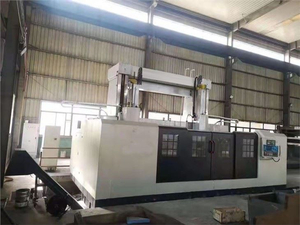
CNC Vertical Lathe (CK5 series): Vertical spindle orientation, optimal for large disc and ring workpieces, typically $100,000-$800,000 for standard configurations
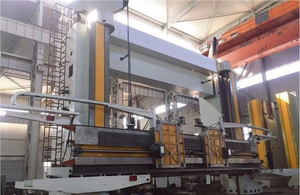
CNC Double Column Vertical Lathe: Extra-large capacity machines for massive workpieces, typically $500,000-$3,000,000+
Detailed, professional requests for quotation (RFQs) receive more accurate responses from Chinese suppliers. Vague inquiries generate vague quotes that create problems during procurement and installation.
Your quotation request should include:
Part specifications: Maximum workpiece diameter, length, and weight
Material requirements: Types of materials to be machined (steel, aluminum, cast iron, etc.)
Tolerance requirements: Dimensional and geometric tolerances needed for finished parts
Production volume: Expected annual or monthly production quantities
Automation requirements: Bar feeding, robotic loading, conveyor systems
Special features: Live tooling, Y-axis, sub-spindles, automatic tool changers
Site preparation: Available floor space, foundation specifications, power requirements
Buyers frequently make errors that compromise quotation accuracy:
Requesting quotes without specifying control system preferences
Failing to disclose actual floor dimensions and ceiling height limitations
Omitting information about existing automation equipment requiring integration
Requesting "similar to" specifications without exact requirements
Focusing solely on initial price without considering total cost of ownership
Chinese CNC lathe manufacturers respond differently to international inquiries than domestic suppliers. Understanding these dynamics improves quotation quality and supplier engagement.
For best results, use professional communication methods:
Official company email: Use business email addresses rather than free email services
Detailed RFQ documents: Attach comprehensive specification sheets in PDF or Excel format
Video conferences: Request online meetings to discuss requirements in detail
Technical drawings: Share sample part drawings when confidentiality permits
Chinese manufacturers value long-term relationships over one-time transactions. Demonstrate serious intent by:
Providing company background and industrial sector information
Sharing projected procurement timelines and volume expectations
Indicating willingness to discuss payment terms and delivery schedules
Requesting factory visit opportunities or virtual facility tours
Receiving multiple quotations is only valuable if you can properly evaluate and compare them. Standardized evaluation frameworks ensure fair assessment and informed decision-making.
When comparing quotations, ensure you're evaluating equivalent configurations:
Standardize control system specifications across all quotes
Verify all quotes include identical optional features
Confirm whether training, installation, and commissioning are included
Check warranty terms and local service support availability
Verify shipping, customs clearance, and import duty calculations
Watch for costs that may not appear in initial quotations:
Shipping and logistics: Container shipping, port handling, inland transportation
Import duties and taxes: Varies by country and machine classification
Installation and commissioning: Site preparation, machine leveling, operator training
Spare parts packages: Initial spare parts inventory for preventive maintenance
Software licensing: CNC control system licenses and updates
Certification costs: CE, UL, or other regional certification requirements
Once you've received and evaluated quotations, strategic negotiation can optimize your procurement outcome. Chinese suppliers expect negotiation, and professional buyers leverage this expectation.
Chinese manufacturers typically build negotiation margin into initial quotations. Understanding this practice helps buyers:
Request detailed cost breakdowns revealing actual component costs
Identify opportunities for specification optimization without compromising quality
Compare multiple supplier quotes to establish competitive benchmarks
Bundle multiple machine orders for volume discounts
Beyond price, consider negotiating these valuable additions:
Extended warranty coverage beyond standard terms
On-site installation and commissioning support
Operator and maintenance training programs
Spare parts packages at discounted rates
Priority service response agreements
Future upgrade and retrofit support
Payment term negotiations significantly impact cash flow and risk exposure. Understanding common practices helps buyers establish favorable arrangements.
Typical payment structures for Chinese CNC machine exports include:
30% deposit, 70% before shipment: Common standard for smaller orders
30% deposit, 70% against shipping documents: Provides buyer protection until shipment confirmation
Letter of Credit: Bank guaranteed payment, higher cost but maximum security
Installment payments: For large orders, staged payments tied to production milestones
Protect your investment through careful risk management:
Verify supplier business licenses and export experience
Request references from similar industry buyers
Consider trade insurance or credit protection
Include clear quality acceptance criteria in purchase contracts
Document all specifications in detailed purchase agreements
Before finalizing any purchase, conducting thorough due diligence significantly reduces procurement risks and ensures supplier credibility.
Verify supplier capabilities and reliability through:
Factory audits: Third-party or personal factory visit verification
Production references: Contact previous buyers in similar industries
Quality certifications: ISO 9001, CE marking, and other relevant certifications
Export experience: Verify track record with international customers
Financial stability: Consider credit checks for large-value purchases
After careful evaluation, negotiation, and due diligence, your final decision should balance price competitiveness with value delivery, supplier reliability, and long-term support capability.
Consider the total cost of ownership rather than focusing exclusively on initial price. Machines with lower upfront costs may incur higher operating, maintenance, and downtime expenses over their operational life.
Our experienced procurement specialists help industrial buyers navigate the complexities of sourcing CNC lathes from China. We provide consultation services including:
Specification development and requirement analysis
Supplier identification and qualification
Quotation comparison and evaluation support
Factory audit coordination
Contract negotiation assistance
Shipping and logistics coordination
Ready to discuss your CNC lathe requirements? Contact our team at inquiry@starfishmachine.com for professional guidance on your next CNC lathe investment.