- All
- Product Name
- Product Keyword
- Product Model
- Product Summary
- Product Description
- Multi Field Search
Views: 0 Author: Site Editor Publish Time: 2026-07-07 Origin: Site


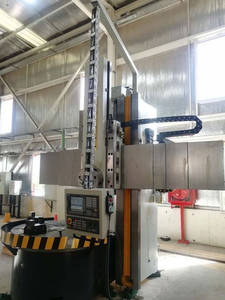
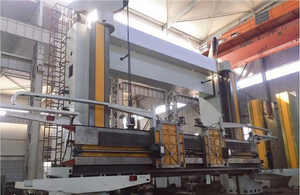
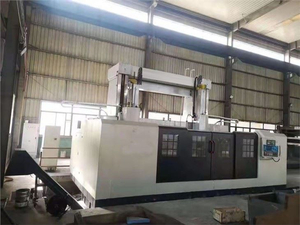
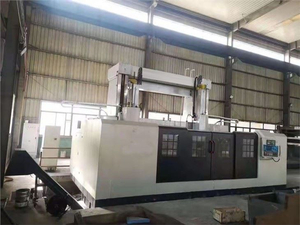
The global shipbuilding industry demands components that can withstand extreme marine environments — constant saltwater exposure, immense structural loads, and zero tolerance for dimensional failure. CNC vertical lathes have become the backbone of marine component manufacturing, handling everything from massive propeller shafts to precision valve bodies with the accuracy modern naval architecture requires.
Whether you operate a commercial shipyard or a marine parts fabrication shop, choosing the right CNC vertical lathe is one of the most consequential capital decisions you will make. This guide walks you through every critical factor — from matching CK5 series specifications to your production needs, to evaluating China manufacturers for competitive pricing without compromising quality.
Traditional horizontal machining has dominated shipbuilding for decades. But the industry is undergoing a fundamental shift, and CNC vertical lathes are driving it.
The reasons are practical and economic:
Larger workpiece capacity: Vertical lathes handle diameters up to 2,300mm and workpiece weights exceeding 25 tons — dimensions that match the scale of marine components like flanges, impellers, and rudder stocks
Superior gravitational stability: The vertical spindle orientation means gravity holds the workpiece firmly against the chuck, reducing vibration and improving surface finish on heavy, asymmetrical marine parts
Smaller floor footprint: Vertical lathes occupy 40-60% less floor space than equivalent horizontal machines — critical in shipyards where workshop real estate is premium
Better chip evacuation: In marine alloy machining (particularly stainless steels and nickel-aluminum bronzes), chips fall away naturally, preventing re-cutting and extending tool life by 20-35%
For shipyards evaluating their next capital equipment purchase, CNC vertical lathes offer a compelling combination of capacity, precision, and operational efficiency that horizontal alternatives simply cannot match at this scale.
Understanding which components you need to produce directly determines your machine specifications. Here are the most common marine parts manufactured on CNC vertical lathes in modern shipyards:
Component | Material | Typical Tolerance | CK5 Series Recommendation |
|---|---|---|---|
Propeller hubs | Ni-Al Bronze (CuNi9Sn4) | IT6-IT7 | CK5116 |
Rudder stocks | Forged Carbon Steel | IT7-IT8 | CK5123 |
Stern tube liners | Duplex Stainless Steel | IT6 | CK5116 |
Propeller blades (profile milling) | Manganese Bronze | IT7 | CK5112 |
Shaft flanges | Alloy Steel 42CrMo | IT6 | CK5116 |
Marine diesel engines require precision-machined components that operate continuously under extreme thermal and mechanical stress:
Cylinder covers and liners: Large-diameter cast iron components requiring flatness within 0.02mm across the sealing surface
Valve bodies and bonnets: Bronze and stainless steel components with tight bore tolerances for high-pressure fuel and cooling systems
Turbocharger housings: High-temperature alloy steel with complex internal geometries
Pump impellers: Complex curved surfaces in corrosion-resistant alloys, requiring multi-axis capability
Reduction gear housings: Large, heavy castings demanding high rigidity and thermal stability
Modern vessels rely on sophisticated deck machinery — cranes, winches, capstans, and steering gears — all of which require precision-turned components:
Hydraulic cylinder bodies: Honed bore surfaces to Ra 0.4μm or better
Slewing ring gears: Large-diameter internal and external gear machining
Winch drum shafts: High-strength alloy steel with precise step diameters
Steering gear housings: Ductile iron castings with multi-bore precision
Selecting the correct machine model is the difference between profitable production and constant bottleneck frustration. Here is how to match your requirements to the CK5 series lineup:
Max turning diameter: 1,250mm
Max workpiece height: 1,000mm
Table load capacity: 3.2 tons
Spindle speed range: 6.3-200 rpm
Best for: Small-to-medium valve bodies, pump components, hydraulic parts, and auxiliary engine components
Price range: $45,000 - $65,000 (FOB China)
Max turning diameter: 1,600mm
Max workpiece height: 1,250mm
Table load capacity: 6.3 tons
Spindle speed range: 5-160 rpm
Best for: Propeller hubs, stern tube liners, rudder stock flanges, medium gear housings
Price range: $70,000 - $105,000 (FOB China)
Max turning diameter: 2,300mm
Max workpiece height: 1,600mm
Table load capacity: 10 tons
Spindle speed range: 4-125 rpm
Best for: Large propeller assemblies, rudder stocks, main engine cylinder covers, bulkhead penetration flanges
Price range: $120,000 - $180,000 (FOB China)
Selection rule of thumb: Choose the machine where your largest workpiece diameter uses no more than 70% of the maximum turning capacity, and workpiece weight stays below 60% of table load capacity. This ensures adequate rigidity, thermal stability, and tool access for marine-grade tolerances.
Marine-grade CNC vertical lathes command higher prices than general-purpose machines. Understanding the cost drivers helps you negotiate effectively with manufacturers and avoid overpaying for features you do not need.
The single largest cost factor is the machine's structural capacity. Each step up in the CK5 series (from CK5112 to CK5116 to CK5123) roughly doubles the price, driven by:
Larger cast iron bed and column (30-50% more material)
Higher-capacity hydrostatic or precision bearings
More powerful main drive motor (22kW → 37kW → 55kW)
Heavier-duty tool posts and turret systems
Shipyards typically need options that general machining shops skip:
Option | Cost Impact | Why It Matters for Marine |
|---|---|---|
Corrosion-resistant coatings | +$3,000-$5,000 | Saltwater environment protection |
Enhanced chip conveyor system | +$2,000-$4,000 | Heavy bronze/steel chip volume |
Through-spindle coolant | +$4,000-$8,000 | Deep hole machining in long marine shafts |
Rotary tool turret (C-axis) | +$15,000-$25,000 | Off-center hole drilling without re-fixturing |
Renishaw/LKS probe system | +$8,000-$15,000 | In-process measurement for class society inspections |
Fanuc 31i/32i control | +$5,000-$10,000 | Advanced marine profile machining cycles |
For a complete marine workshop setup, budget expectations should include:
CK5112 setup: $55,000 - $90,000 (machine + essential marine options + tooling)
CK5116 setup: $90,000 - $150,000
CK5123 setup: $150,000 - $250,000
These ranges include tooling, installation, and initial spare parts — but exclude shipping, import duties, and foundation work.
China has emerged as the dominant supplier of CNC vertical lathes for the global shipbuilding industry. But the market ranges from ISO-certified manufacturers producing world-class machines to small workshops cutting corners on critical components. Here is how to separate reliable suppliers from risky ones:
Before requesting any quotation, verify these credentials:
ISO 9001:2015 certification — Basic quality management system. No exceptions.
CE marking — Required for European and many international shipyard projects
Minimum 10 years of vertical lathe manufacturing experience — Marine components demand maturity in casting, machining, and assembly processes
Class society type approval — DNV, ABS, Lloyd's Register, or BV certification of machine accuracy capabilities demonstrates marine industry readiness
Reference installations in active shipyards — Ask for at least 3 references from shipyards currently using their machines
Prices 30%+ below market average: Almost always indicates inferior castings, recycled bearing components, or counterfeit CNC controls
No physical factory visit allowed: Legitimate manufacturers welcome inspections
Unwillingness to provide material test reports: Marine components require traceability from raw material to finished part
Generic "suitable for all industries" marketing: Marine machining has specific requirements — the manufacturer should demonstrate understanding of them
Payment demands exceeding 50% upfront: Industry standard is 30% deposit, 70% before shipment after factory acceptance test
When you request a quotation from a China vertical lathe manufacturer, ask these specific questions:
What is the spindle bearing specification? (P4 or higher for marine work)
Can you provide a laser calibration report for geometric accuracy?
What is your warranty policy for marine environment operation?
Do you offer on-site installation and operator training at our shipyard?
What is your typical lead time for CK5116/CK5123 models?
Can you arrange a reference visit to an existing shipyard customer?
Operating CNC vertical lathes in shipyard environments presents unique challenges. Salt-laden air, temperature fluctuations, and heavy chip loads accelerate wear in ways that general machining environments do not.
Corrosion protection: Specify machines with epoxy-coated surfaces, stainless steel way covers, and sealed electrical cabinets rated IP54 or higher
Foundation requirements: Marine workshop floors experience vibration from adjacent operations (plate rolling, hammering, welding). Your lathe foundation should include vibration isolation pads rated for your shop's specific conditions
Climate control for the control cabinet: In tropical shipyard locations, install an air-conditioning unit on the electrical cabinet to prevent control system failures from heat and humidity
Regular way lubrication: Marine environments accelerate lubricant breakdown. Increase way lubrication frequency by 25-50% compared to inland machining environments
Maintenance Item | Standard Interval | Marine Environment Interval |
|---|---|---|
Way lubrication check | Weekly | Twice weekly |
Spindle bearing inspection | Quarterly | Monthly |
Ball screw backlash check | Semi-annually | Quarterly |
Electrical cabinet filter replacement | Semi-annually | Quarterly |
Full geometric accuracy check | Annually | Semi-annually |
Chip conveyor maintenance | Monthly | Bi-weekly |
Understanding the financial return justifies the capital expenditure. Here is a realistic ROI framework based on typical shipyard production data:
A mid-size shipyard machining marine components in-house (versus outsourcing) typically sees:
Cost reduction per component: 35-50% compared to subcontracted machining
Lead time improvement: 60-70% faster turnaround when machining is in-house
Quality improvement: Scrap rates drop from 5-8% (outsourced) to 1-2% (in-house with CNC vertical lathe)
Additional revenue from external machining services: Many shipyards offset machine costs by offering machining services to neighboring yards
For a CK5116 installation ($120,000 total investment):
Monthly machining cost savings: $8,000 - $12,000
Monthly revenue from external services: $3,000 - $6,000
Total monthly benefit: $11,000 - $18,000
Payback period: 7-11 months
For larger CK5123 installations ($200,000 total investment), payback periods typically range from 12-18 months, depending on vessel production volume and the proportion of machined components.
International buyers need to plan for more than just the machine purchase price. Here are the key logistics and compliance considerations:
CK5112: Fits standard 40ft flat rack container. Shipping cost: $3,000-$5,000
CK5116: Requires special oversize container or break-bulk shipping. Cost: $5,000-$8,000
CK5123: Typically ships as break-bulk cargo. Cost: $8,000-$15,000
Always request CIF (Cost, Insurance, and Freight) pricing from your manufacturer for accurate total landed cost comparison.
HS Code: 8458.19 (CNC vertical lathes)
Typical import duty range: 0-10% depending on destination country and trade agreements
Required documentation: Commercial invoice, packing list, bill of lading, certificate of origin, CE certificate (if applicable)
Pre-shipment inspection: Many countries require SGS or Bureau Veritas inspection before customs clearance
Top-tier Chinese CNC lathe manufacturers now provide global after-sales networks:
Remote diagnostic support via internet connection to the CNC control
On-site service engineer dispatch within 72 hours for warranty issues
Spare parts inventory recommendations based on your production volume
Annual preventive maintenance service contracts available for $5,000-$12,000 per year
Shipbuilding is one of the most heavily regulated manufacturing sectors in the world. Every component that goes into a vessel must meet international class society standards — and your CNC vertical lathe must be capable of holding the tolerances these standards demand.
The four major classification societies — DNV, ABS, Lloyd's Register, and Bureau Veritas — all have specific requirements for machining equipment used in marine component production:
Dimensional accuracy verification: Machines must maintain accuracy within class-specified tolerances, verified by calibrated measurement equipment with traceable certificates
Material traceability: Every component must be traceable from raw material certificate through every machining operation — your CNC control must support comprehensive operation logging
Surface finish standards: Marine sealing surfaces typically require Ra 1.6μm or better; hydraulic components require Ra 0.8μm or better
Heat-affected zone management: For components that undergo post-machining heat treatment, the machine must produce surfaces free of residual stress concentrations that could cause cracking
Modern shipyard quality management requires comprehensive documentation from every machining operation:
Tool path verification records
In-process measurement data from probe systems
Surface roughness measurement records
Dimensional inspection reports for each critical feature
Machine calibration certificates updated at specified intervals
A CNC vertical lathe equipped with Renishaw or LKS probing systems can automate most of this documentation, reducing manual inspection time by 40-60% and providing the audit trail class surveyors require. When requesting quotations from manufacturers, always specify probing system integration as a requirement — the incremental cost of $8,000-$15,000 pays for itself within the first year through reduced inspection labor and faster class society approvals.
After working with hundreds of shipyard buyers, these are the most frequent mistakes that lead to costly delays and dissatisfaction:
Buying on price alone: The cheapest CNC vertical lathe often costs 2-3x more in downtime, scrap, and maintenance over a 10-year lifespan
Undersizing the machine: Choosing a CK5112 when your components regularly push its limits leads to permanent accuracy loss and premature bearing failure
Skipping the factory acceptance test (FAT): Always witness the machine running your actual workpiece materials before it ships
Ignoring installation requirements: Inadequate foundation work in a marine environment leads to alignment issues that no amount of maintenance can fix
Not negotiating training: Operator competence directly affects machine longevity. Ensure at least 5 days of on-site training is included in your purchase agreement
Forgetting about tooling budget: Marine alloy machining requires premium carbide tooling — budget $10,000-$20,000 for initial tooling packages
If you are sourcing a CNC vertical lathe for shipbuilding or marine component manufacturing, the right machine at the right price is available from qualified China manufacturers — but only if you know what specifications to demand and what questions to ask.
Our CK5 series CNC vertical lathes (CK5112, CK5116, CK5123) are purpose-built for heavy-duty marine applications, with proven installations in shipyards across Southeast Asia, the Middle East, and Europe. We provide:
Complete machine specifications and quotation within 24 hours
Factory acceptance testing with your workpiece materials
On-site installation and operator training
12-month warranty with global service network
Competitive FOB/CIF pricing with flexible payment terms
Contact us today for a customized quotation →
Whether you need a single CK5112 for auxiliary component machining or a fleet of CK5123 machines for large vessel production, our team will match the right configuration to your specific requirements — at a price point that makes your shipyard more competitive.