- All
- Product Name
- Product Keyword
- Product Model
- Product Summary
- Product Description
- Multi Field Search
Views: 0 Author: Site Editor Publish Time: 2025-07-18 Origin: Site


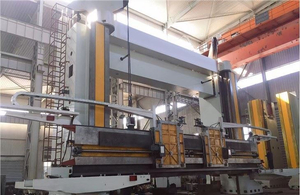
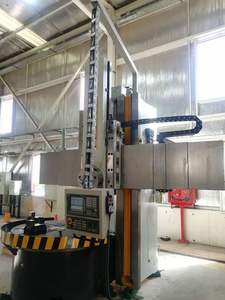
Choosing the best vertical grinding turning lathe for your shop shapes your success. The right lathe boosts productivity and improves part quality. You need a lathe that matches your turning and grinding tasks. Each shop has different needs. Take time to think about what you make and how you work. A vertical grinding turning lathe is a big investment. Careful planning helps you get the most from your lathe and supports your shop’s future.
First, write down your shop’s usual workpiece sizes, materials, and how much you make. This helps you pick a lathe that works for you now and later.
Look at machine features like grinding capacity, spindle power, rigidity, and automation. Make sure the lathe can handle your parts with the right accuracy and speed.
Think about the total cost, including the first price, maintenance, energy use, and repairs. This helps you get the best value over time.
Pick a lathe from a trusted brand that gives a good warranty, local service, spare parts, and training. This keeps your shop running well.
Try out your top lathe choices with demos. Let your team help choose so you get the best machine for your shop’s success.
You need to start by looking at the parts you make every day. Each workpiece has its own shape, size, and material. Some shops handle small, simple parts. Others work with large, heavy workpieces. You must know the size and weight of your average workpiece. This helps you pick a lathe that can handle your needs. If you cut hard metals, you need a strong metal-cutting lathe. Some lathes work better with certain materials. Think about the types of lathes that fit your shop. You should also check if your workpieces need special handling or support on the axis.
Tip: Make a list of your most common workpiece sizes and materials. This will help you compare lathe options.
Your shop’s production volume shapes your lathe choice. If you make many workpieces each day, you need a lathe that can keep up. High-volume shops need machines that run fast and stay accurate. If you make only a few workpieces, you can focus more on flexibility. Some lathes work better for small batches. Others shine in mass production. You should also think about future growth. Your shop may need to handle more workpieces or larger sizes later. Choose a lathe that can grow with your needs.
Every workpiece needs a certain level of accuracy. Some jobs need tight tolerances and smooth finishes. Others allow for more variation. You must know the tolerance and finish your customers expect. The right lathe helps you meet these needs. Some lathes have better control over the axis and speed. This gives you better results on each workpiece. If you need high precision, look for features that help you hold tight tolerances. Always match the lathe’s abilities to your workpiece requirements.
Note: Shops that need high accuracy should look for lathes with advanced axis control and stable construction.
You need to check the grinding capacity of each lathe. This tells you the largest workpiece the machine can handle. Look at the swing, which is the maximum diameter the lathe can turn. Bed length also matters. It shows how long your workpiece can be. If you work with large parts, you need a lathe with a big swing and long bed. Grinding capacity affects both turning and grinding jobs. Some vertical grinding turning lathes can handle heavy workpieces with ease. Others work best for smaller sizes. Always match the grinding capacity to your most common workpiece size. If you plan to take on bigger jobs in the future, choose a lathe that gives you room to grow.
Tip: Make a table of your workpiece sizes and compare them to each lathe’s swing and bed length.
Spindle power and speed decide how well your lathe cuts and grinds. High spindle power lets you work with tough materials. You need enough power to keep the spindle moving, even with heavy loads. Speed matters too. Some jobs need slow, steady turning. Others need fast grinding. A good vertical grinding turning lathe gives you control over both power and speed. You can adjust settings for each workpiece and material. If you cut hard metals, look for a lathe with a strong spindle motor. If you need to finish parts quickly, check the top speed. The right spindle keeps your workpiece safe and your results smooth.
A rigid and stable lathe gives you better results. The frame and bed must hold steady during turning and grinding. If the machine shakes or bends, your workpiece will not meet the right tolerance. You need a lathe with a strong base and solid axis support. Heavy-duty construction helps the lathe handle big workpieces without losing accuracy. Some lathes use extra supports on the axis to keep everything in line. You should check the weight and build of each machine. A stable lathe lasts longer and needs fewer repairs.
Note: Shops that need tight tolerances should pick a lathe with extra rigidity and strong axis design.
Automation and CNC controls make your shop more productive. A fully cnc-equipped lathe lets you program each step of the job. You can save time and reduce mistakes. CNC systems help you repeat the same turning and grinding process for every workpiece. This means better quality and less waste. Some lathes offer automatic tool changers and axis movement. These features let you run more jobs with less effort. If you want to grow your shop, choose a vertical grinding turning lathe with advanced cnc options. You can handle complex shapes and tight tolerances with ease.
Callout: CNC controls help you finish jobs faster and keep your workpiece within the right size and tolerance.
You must check the footprint of each lathe. This means the space it takes up in your shop. A large lathe needs more room. You should measure your shop floor and plan where the machine will go. Compatibility with your workflow also matters. The lathe should fit with your other machines and tools. Check if the axis layout matches your current setup. Some lathes work better with certain loading systems or material flow. If you use special fixtures, make sure the new lathe can hold them. Picking the right size and layout helps you avoid problems later.
Tip: Draw a simple map of your shop and mark where the new lathe will sit. Make sure you have space for the workpiece and easy access to the axis.
When you buy a new lathe, you need to look at the price tag first. The initial investment covers the cost of the machine, delivery, and setup. Some lathes cost more because they have extra features or larger sizes. You should compare the price of each lathe with the features you need. Make sure you do not pay for features you will not use. Ask the dealer about what comes with the lathe. Some machines include basic tools, while others require you to buy extras.
Tip: Make a checklist of must-have features before you look at prices. This helps you avoid paying for things you do not need.
Every lathe needs regular care to keep running well. Maintenance costs include oil, filters, and replacement parts. Some lathes need more service than others. You should ask how often the lathe needs checks and repairs. Energy use also matters. A lathe that uses less power saves you money over time. Look for machines with energy-saving modes or efficient motors. You can ask the seller for the average energy use of each lathe.
Regular maintenance keeps your lathe safe and accurate.
Energy-efficient lathes lower your monthly bills.
You must think about the total cost of owning a lathe. This means adding up the price, maintenance, energy, and any repairs. Some lathes cost more at first but save money later because they last longer or use less power. You should plan for the future. A good lathe gives you value for many years. Try to find reviews from other shops about how much they spend on their lathes. This helps you see the real cost over time.
Note: The cheapest lathe is not always the best deal. A reliable lathe with low running costs can save you more in the long run.
You should always research the reputation of any lathe manufacturer before you buy. A trusted brand often means better quality and fewer problems. Look for companies that have made lathes for many years. Read reviews from other shops. Ask other machinists about their experiences. A good manufacturer stands behind their lathe and helps you when you need it. You can also check if the company has won awards or holds certifications. This shows they care about quality.
Tip: Make a list of top brands and compare what people say about their lathes.
A strong warranty gives you peace of mind. You want to know that your lathe will get fixed if something goes wrong. Check how long the warranty lasts and what it covers. Some warranties include parts and labor. Others only cover certain problems. Good service matters too. You should ask if the company has local service centers. Fast support keeps your lathe running and your shop on schedule. Some companies offer phone or online help. This can save you time when you have questions.
Ask about the warranty before you buy.
Find out how to get service if your lathe needs repairs.
You need easy access to spare parts for your lathe. If a part breaks, you want to fix it fast. Ask the dealer if they keep parts in stock. Some brands ship parts quickly. Others may take longer. Training is also important. You and your team should know how to use the lathe safely and well. Many companies offer training classes or videos. Good training helps you get the most from your lathe and avoid mistakes.
Note: Shops with trained workers have fewer accidents and better results.
When you start buying a lathe, you need to compare your top choices. Make a list of the vertical grinding turning lathe models that fit your needs. Look at each lathe’s features, size, and price. Create a table to help you see the differences.
| Model Name | Grinding Capacity | Spindle Power | Automation | Price |
|---|---|---|---|---|
| Model A | 32" | 20 HP | Yes | |
| Model B | 28" | 15 HP | No | |
| Model C | 36" | 25 HP | Yes |
Check which lathe matches your workpiece sizes and shop space. Review the warranty and support for each one. You want a lathe that gives you the best value for your money.
Tip: Use your list of shop needs to score each lathe. This helps you pick the best fit.
Before buying a lathe, ask for a demonstration. A demo lets you see the lathe in action. Watch how it handles your type of workpiece. Pay attention to how easy it is to use the controls. You can ask the dealer to show you special features. Try to bring a sample part from your shop. This way, you see real results.
Demos help you spot problems before you buy.
You learn how the lathe works with your team’s skills.
Buying a lathe is a big decision. You should talk with your team before you choose. Ask your machinists and operators for their opinions. They know what features help them work faster and safer. Your maintenance staff can tell you which lathe is easier to care for. When you include your team, you make a better choice.
Note: Team input helps you avoid mistakes and keeps everyone happy with the new lathe.
Buying a lathe takes time and careful thought. When you compare options, request demos, and involve your team, you make a smart investment for your shop’s future.
Choosing the right vertical grinding turning lathe takes careful steps.
Start by listing your shop’s needs and workpiece details.
Compare machine features, costs, and support options.
Test machines and ask your team for feedback.
Tip: Talk to industry experts before you buy. Their advice can help you make a smart investment that supports your shop’s growth.
Offers better stability for large workpieces and improved accuracy in turning and grinding.
Measure the largest and smallest parts, then choose a lathe with appropriate swing and bed length.
Some lathes allow upgrades like CNC controls. Check with the manufacturer for compatibility.
Follow the manual’s schedule: daily checks, weekly cleaning, and regular parts replacement.
Look for emergency stops, safety guards, clear labels, and automatic shut-offs.