
- All
- Product Name
- Product Keyword
- Product Model
- Product Summary
- Product Description
- Multi Field Search
Views: 0 Author: Site Editor Publish Time: 2025-04-28 Origin: Site


In the world of precision machining, CNC lathes and Swiss lathes are two critical tools that serve a wide range of industries, including aerospace, automotive, medical, and electronics. While both are designed for turning operations, their configurations, functionalities, and applications differ significantly. Understanding these differences is key to selecting the right lathe for your specific manufacturing needs. In this article, we’ll explore the distinctions between Swiss lathes and conventional CNC lathes, focusing on their unique strengths and applications.
A CNC lathe (Computer Numerical Control lathe) is a programmable machine tool used to shape materials like metal, plastic, or wood. The workpiece rotates around a central axis while cutting tools remove material according to pre-programmed instructions. CNC lathes are known for their versatility, precision, and ability to handle complex geometries.
Workpiece Clamping: CNC lathes typically hold the workpiece at one or both ends using a clamping system like a chuck or collet.
Axes of Movement: Most CNC lathes operate on 2-4 axes, enabling precise movement of the cutting tools.
Applications: Commonly used for turning, threading, boring, and drilling operations.
Material Handling: Suitable for medium to large-sized parts that require high accuracy.
CNC lathes are widely used in industries that require robust performance and flexibility, making them ideal for medium- to large-scale production runs.
A Swiss lathe, also known as a Swiss-type CNC lathe, is a specialized machine designed for machining small, precise components. The defining feature of a Swiss lathe is its guide bushing, which provides continuous support to the workpiece during machining. This unique configuration enables Swiss lathes to produce long, slender, and intricate parts with exceptional accuracy.
Guide Bushing Support: The workpiece is supported close to the cutting tool, minimizing deflection and vibration.
Sliding Headstock: The headstock moves along the Z-axis, feeding the workpiece through the guide bushing.
Multi-Axis Capability: Swiss lathes often feature 5-13 axes, allowing for simultaneous machining operations.
Applications: Primarily used for high-precision parts such as medical implants, watch components, and electronic connectors.
Swiss lathes are particularly effective for machining small-diameter, high-precision components in industries where tolerances are extremely tight.
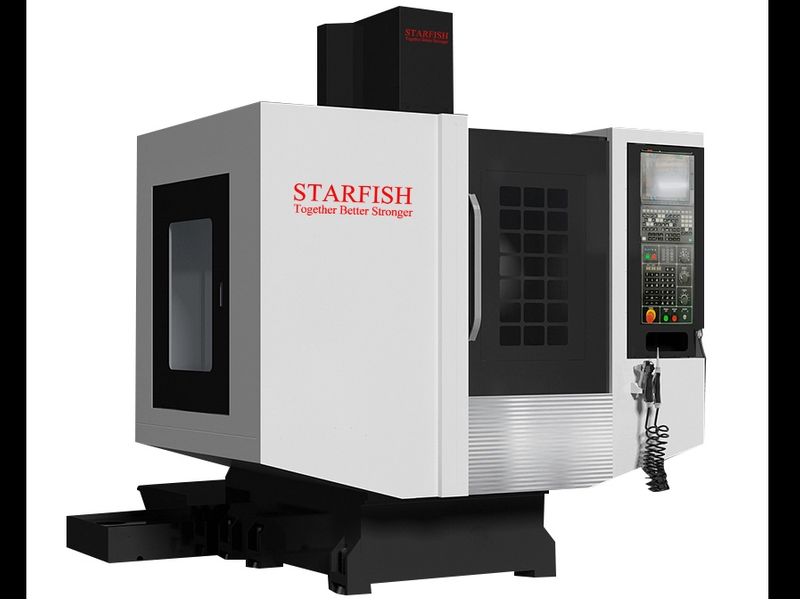
CNC Lathe: The workpiece is clamped at one or both ends, which is suitable for shorter and more rigid parts.
Swiss Lathe: The workpiece is fed through a guide bushing, providing continuous support and enabling the machining of long, slender components.
CNC Lathe: Delivers high precision but may experience deflection when machining long parts.
Swiss Lathe: Offers superior accuracy for small and intricate parts due to the guide bushing and reduced material deflection.
CNC Lathe: May require multiple setups for complex parts, increasing cycle time.
Swiss Lathe: Can perform multiple operations simultaneously, significantly reducing cycle time for intricate parts.
CNC Lathe: Versatile and suitable for a wide range of parts, including shafts, gears, and flanges.
Swiss Lathe: Specialized for high-volume production of small, precise components.
CNC Lathe: Handles larger workpieces and a broader range of materials.
Swiss Lathe: Optimized for small-diameter materials and high-precision applications.
Swiss lathes offer several unique advantages over conventional CNC lathes:
High Precision: Ideal for machining components with tight tolerances, such as medical implants and aerospace parts.
Reduced Deflection: The guide bushing minimizes deflection, ensuring consistent quality for long and slender workpieces.
Multi-Axis Machining: Enables complex operations like threading, drilling, and milling in a single setup.
Faster Production: Simultaneous machining reduces cycle times, making Swiss lathes highly efficient for high-volume production.
Compact Design: Swiss lathes are often more compact, saving valuable floor space in manufacturing facilities.
While Swiss lathes excel in precision machining, CNC lathes provide their own set of benefits:
Versatility: Capable of handling a wide range of parts and materials, from small components to large industrial parts.
Ease of Operation: User-friendly controls and programming make CNC lathes accessible for operators with varying skill levels.
Cost-Effective: Ideal for medium- to large-scale production runs, offering excellent return on investment.
Durability: Designed to handle heavy-duty machining operations with consistent performance.
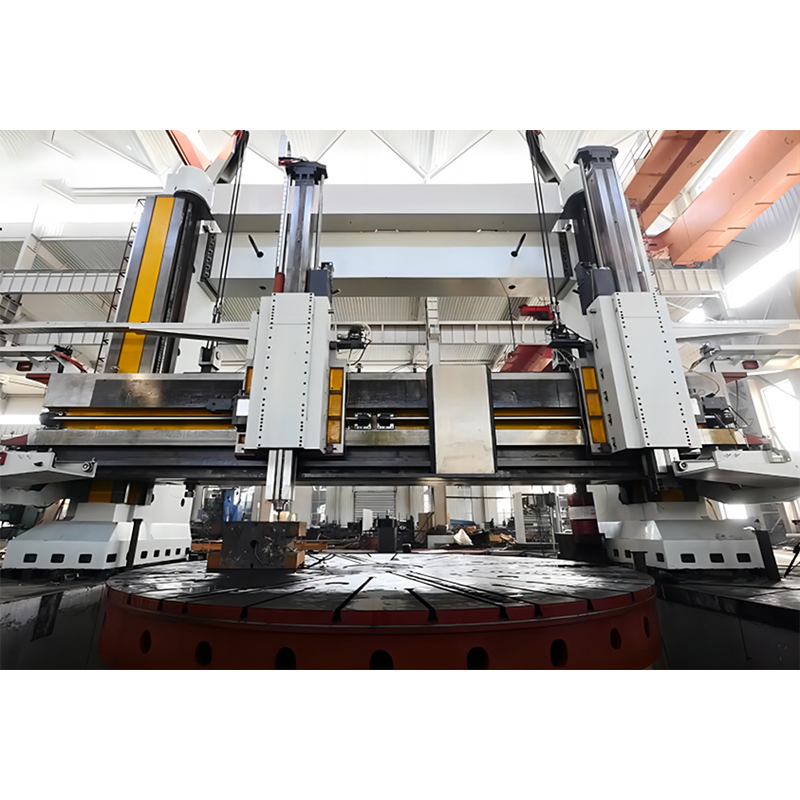
At Starfish Ruhr Heavy Machinery Technology (Dalian) Co., Ltd., we specialize in manufacturing high-performance CNC lathes and Swiss-type CNC lathes tailored to meet the unique needs of modern industries.
Innovation: Our CNC lathes feature cutting-edge technology, including multi-axis capabilities and high-speed spindles.
Custom Solutions: We offer customized lathe solutions for industries such as aerospace, automotive, and medical.
Comprehensive Support: From installation to maintenance, our team provides reliable support to ensure optimal machine performance.
By choosing Starfish Machinery, you’re investing in precision, efficiency, and innovation.
Swiss lathes are widely used in the medical, electronics, and aerospace industries for producing small, high-precision components like implants, connectors, and watch parts.
Yes, CNC lathes are capable of machining complex geometries, but may require multiple setups for intricate designs.
Swiss lathes often have faster cycle times for small and intricate parts due to their ability to perform simultaneous operations.
Both lathes are versatile, handling materials like metals, plastics, and composites. Swiss lathes are optimized for small-diameter materials, while CNC lathes can handle larger workpieces.
Consider the size, complexity, and precision requirements of your parts. Swiss lathes are ideal for small, intricate components, while CNC lathes are better suited for versatile, larger-scale machining.
Both Swiss lathes and CNC lathes are invaluable tools in modern manufacturing, each offering distinct advantages for specific applications. By understanding the differences between these machines, you can make an informed decision that aligns with your production requirements.
At Starfish Machinery, we are committed to delivering advanced machining solutions that empower businesses to achieve precision and efficiency. Contact us today to learn more about our CNC and Swiss lathe offerings!


